

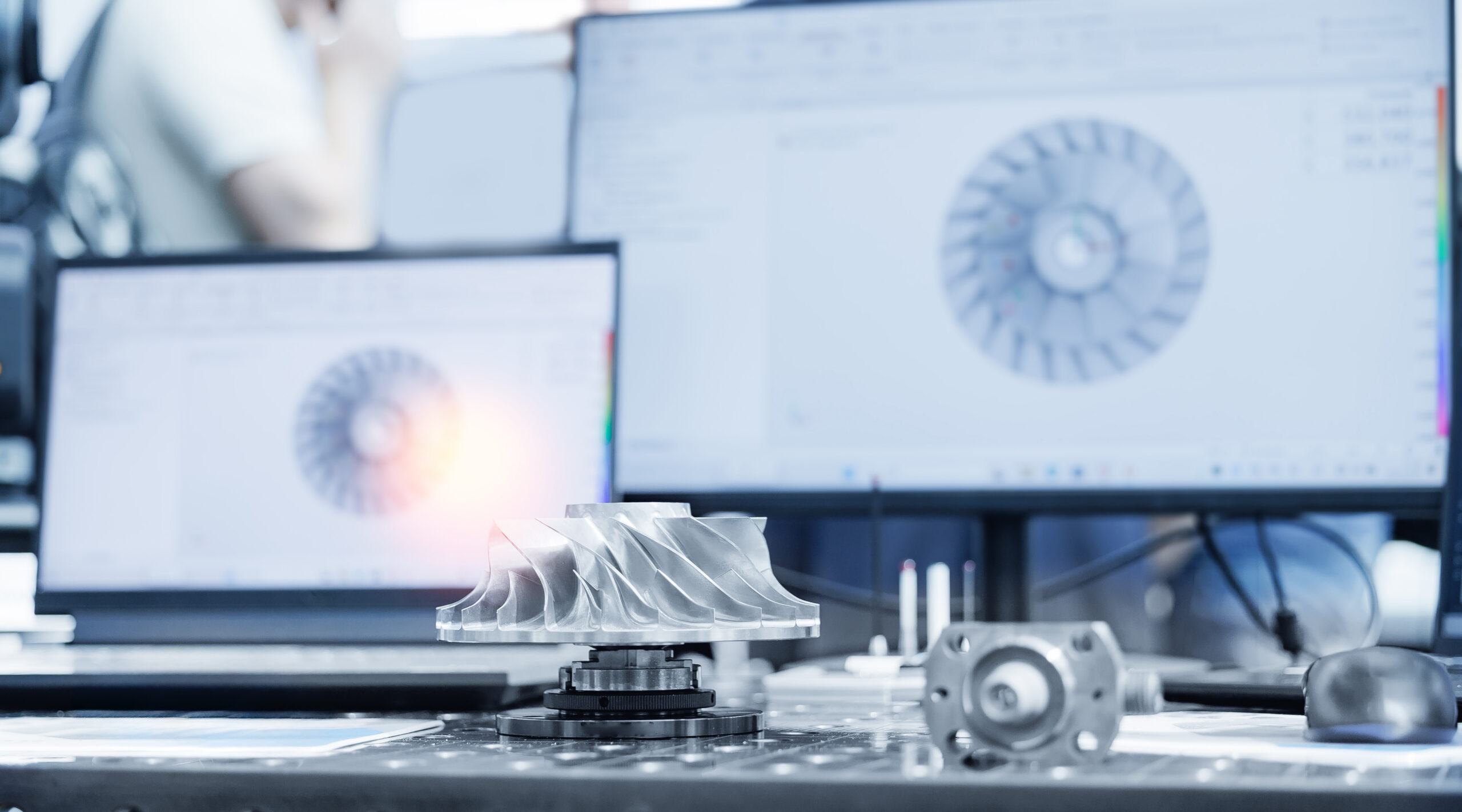
New Product Introduction (NPI) is often described as a structured path from concept to production. On paper, it may look simple: design the part, build it, test it, and move into production.
In reality, developing complex metal components—especially those with tight tolerances and demanding performance requirements—rarely follows a perfectly straight line. Early refinements are a natural and valuable part of the NPI process.
Rather than indicating a problem, thoughtful revisions during development help identify opportunities to improve performance, manufacturability, and consistency before production begins.
Why Design Refinement Happens During NPI
Even with strong engineering design and planning, certain insights only become clear once a part moves into real-world manufacturing conditions.
Some common reasons for early revisions include:
Design Optimization
As engineers and manufacturing teams review the part in production environments, small adjustments may improve structural integrity, functionality, or overall performance.
Manufacturability Improvements
Features that work well in a design model may benefit from refinement once manufacturing processes are applied. Adjustments can simplify production while maintaining critical tolerances.
Material Behavior
Different materials respond uniquely during machining, forming, or finishing processes. Early production trials can reveal opportunities to improve repeatability and performance.
Assembly Integration
When a component interacts with other parts or assemblies, testing can highlight opportunities to improve fit, alignment, or installation efficiency.
Why Early Iteration Reduces Risk
One of the most important goals of NPI is to identify potential challenges before production volumes scale.
Addressing design refinements early helps:
- Improve long-term part reliability
- Reduce variability during production
- Avoid costly changes later in the product lifecycle
- Ensure the design is truly production-ready
In many cases, these early improvements strengthen the overall design and support smoother transitions from prototype to full production.
Collaboration Makes the Process Stronger
Successful NPI often comes down to close collaboration between engineering and manufacturing teams.
When manufacturing partners are involved early in development, they can help identify opportunities related to:
- Design for manufacturability (DFM)
- Process optimization
- Material selection
- Production scalability
This collaboration allows teams to refine designs early—before larger production commitments are made.
The Big Picture
Revisions during NPI are not setbacks. They are part of the process of refining a design so it performs reliably in real-world production.
When iteration happens early, teams can identify improvements, mitigate risk, and move into production with greater confidence.
At Advantage Metal Products, we work closely with customers during the NPI process to help refine designs, support manufacturability, and ensure that components transition smoothly from prototype to production.
Follow us on LinkedIn HERE.
Contact us HERE.