

When it comes to precision metal components, the job isn’t done when the part is machined or fabricated.
Surface finishing for metal parts plays a critical role in how a component performs, how long it lasts, and how it’s ultimately used.
Whether it’s improving corrosion resistance, enhancing appearance, or meeting strict industry requirements, the right finishing process can make all the difference.
What is Surface Finishing for Metal Parts?
Surface finishing for metal parts refers to a range of processes applied after manufacturing to improve surface properties.
This can include:
- Smoothing rough edges
- Adding protective coatings
- Improving wear resistance
- Enhancing appearance
It’s often one of the final steps—but it has a direct impact on performance.
Why Surface Finishing for Metal Parts Matters
1. Corrosion Resistance
Many components are exposed to harsh environments—moisture, chemicals, or extreme temperatures.
Surface finishing for metal parts helps protect the base material and extend the life of the part through processes like anodizing, plating, or powder coating.
2. Wear & Durability
In high-use or high-friction applications, finishing processes improve resistance to wear and extend longevity.
This is especially important for components used in:
- Aerospace
- Defense
- Industrial equipment
3. Precision & Functionality
Surface finishing for metal parts can directly impact how a part fits and functions.
Finishes must be applied consistently to maintain tight tolerances and ensure reliable performance.
4. Appearance & Quality
In many applications, appearance matters just as much as performance.
A clean, uniform finish reflects quality and attention to detail—especially in customer-facing components.
Common Surface Finishing Methods
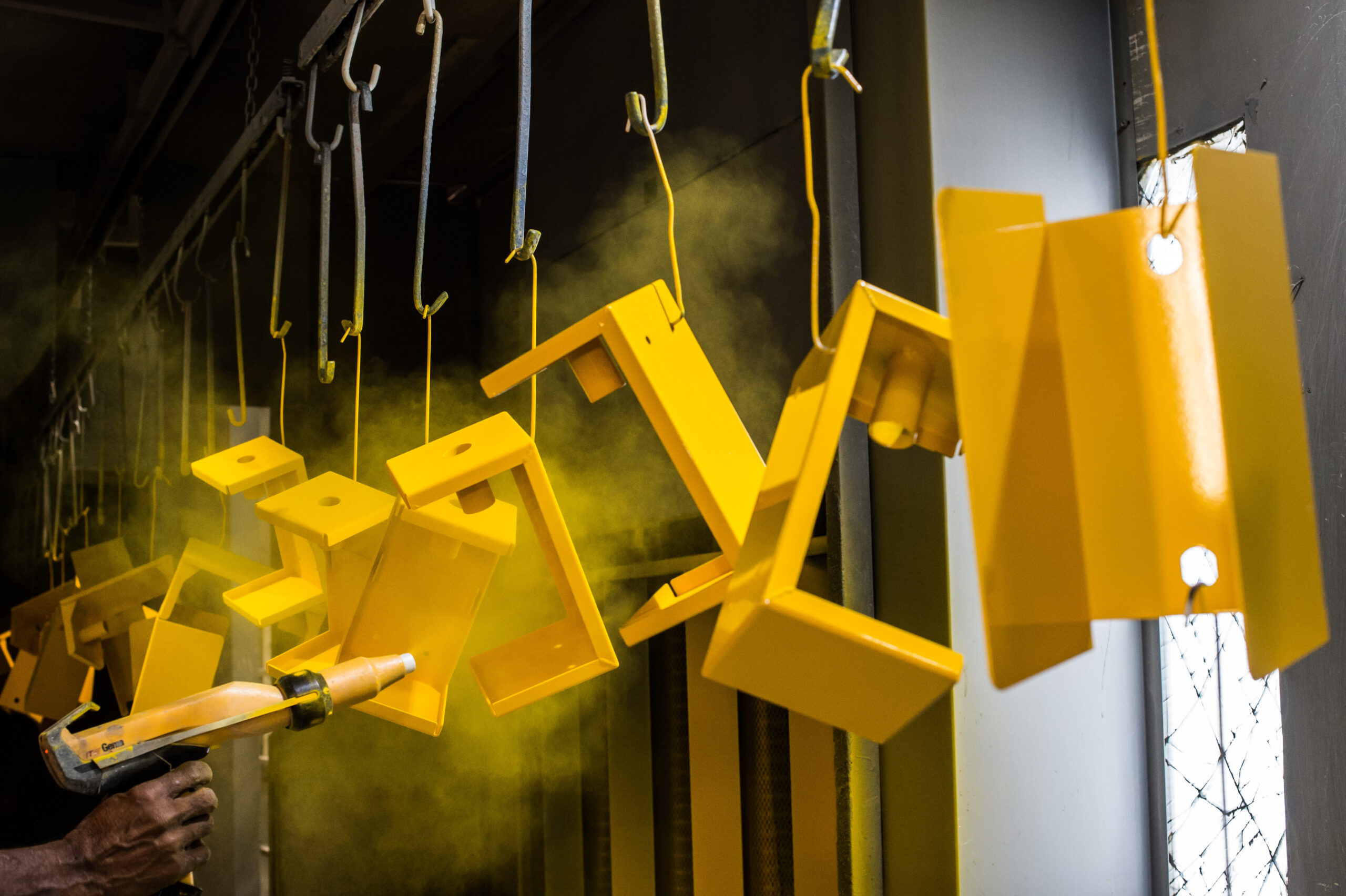
Powder Coating
Provides a durable, uniform coating that enhances both protection and appearance.
Anodizing
Primarily used for aluminum, anodizing improves corrosion resistance and allows for color finishes.
Plating (Zinc, Nickel, etc.)
Adds a thin protective layer to improve corrosion resistance and conductivity.
Bead Blasting
Creates a consistent matte finish and removes surface imperfections.
Passivation
Used for stainless steel to remove contaminants and improve corrosion resistance.
Choosing the Right Surface Finishing for Metal Parts
Selecting the right finish depends on:
- Material type
- End-use environment
- Performance requirements
- Aesthetic needs
Surface finishing for metal parts is not a one-size-fits-all decision, and choosing the right process early can prevent costly rework.
How AMP Supports Surface Finishing for Metal Parts
At AMP, surface finishing for metal parts is treated as a critical step in the manufacturing process—not an afterthought.
By aligning finishing requirements early and working with trusted partners, we help ensure:
- Consistency across production
- Parts that meet functional and visual expectations
- A smoother transition from fabrication to final assembly
Final Thoughts
Surface finishing for metal parts may be one of the last steps in production, but its impact is felt throughout the entire lifecycle of a component.
From durability to performance to appearance, the right finish ensures your parts are ready for real-world application.
Follow us on LinkedIn HERE.
Contact us HERE.